Beyond IT Recycling: How Businesses Can Turn Retired Technology Into Financial and Environmental Value
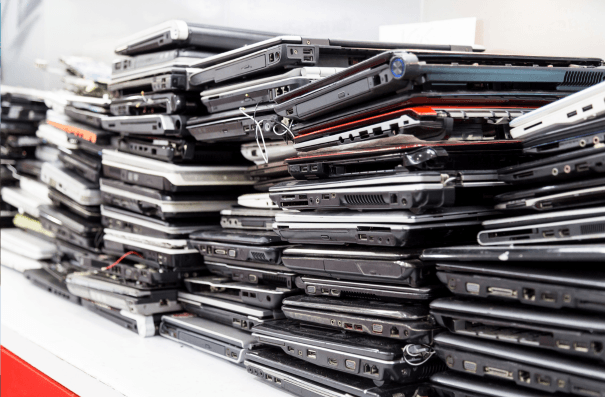
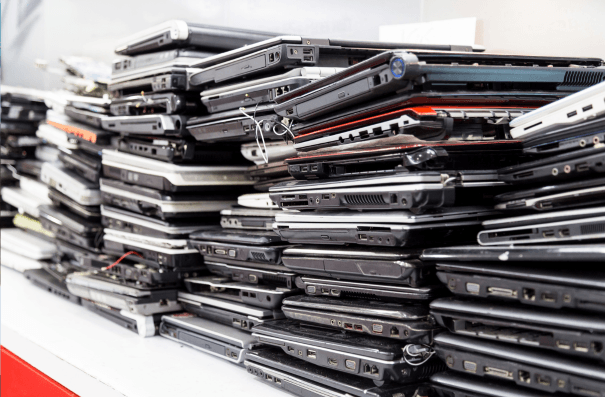
Retired corporate technology can represent more than a disposal cost. Laptops, desktops, servers, mobile devices, and networking equipment may still hold financial value, contain reusable materials, and offer opportunities to extend their useful life.
The challenge is knowing how to recover that value without compromising data security, losing track of assets, or creating unnecessary electronic waste.
For businesses managing large technology refreshes, a structured approach to IT asset disposition can help turn retired equipment into a source of financial recovery and measurable environmental benefits. The right program goes beyond recycling by evaluating assets for reuse, refurbishment, resale, and responsible end-of-life processing.
Green4Good IT helps organizations manage this process through secure IT asset disposition, asset value recovery, and sustainability-focused programs that connect retired technology with circular economy opportunities.
This guide explains how businesses can get more from their retired IT equipment, what to look for in a value-focused recovery program, and how Green4Good can support both financial and environmental objectives.
Why Retired IT Equipment Is More Than an End-of-Life Cost
When an organization replaces its technology, the equipment being retired may no longer meet internal performance, security, or operational requirements. That does not necessarily mean the equipment has reached the end of its useful life.
A laptop that is no longer suitable for an employee's role may still be suitable for another user. A server being replaced during an infrastructure upgrade may retain resale value. Even equipment that cannot be reused in its current form may contain components or materials that can be recovered.
Treating every retired asset as electronic waste can mean missing these opportunities.
A value-focused approach considers three outcomes:
- Financial recovery: Identify eligible assets that can be resold and generate proceeds that offset technology lifecycle costs.
- Extended equipment life: Refurbish and reuse suitable devices rather than sending functional technology directly for recycling.
- Environmental benefits: Keep products and materials in circulation longer and responsibly process equipment that cannot be reused.
These outcomes are connected, but they are not interchangeable. Financial recovery depends on the equipment and market conditions, while environmental outcomes require appropriate measurement and supporting evidence.
The goal is to manage retired technology in a way that balances security, value, and responsible resource use.
Step 1: Assess the Recovery Potential of Your Retired IT Assets
The first step is understanding what the organization has and which assets may still have value.
Equipment type, age, configuration, condition, and market demand all influence recovery potential. A structured assessment helps determine the most appropriate next step for each asset.
Which IT Assets May Retain Value?
Common examples include:
- Laptops and desktops: Devices that remain functional and have desirable specifications may be suitable for refurbishment and resale.
- Servers and storage equipment: Certain systems and components may retain value depending on configuration, condition, compatibility, and demand.
- Mobile devices: Eligible smartphones and tablets may be suitable for reuse or resale after appropriate data sanitization.
- Networking equipment: Certain switches, routers, and related hardware may retain value if they remain marketable and suitable for another deployment.
- Peripherals and components: Some equipment may be suitable for reuse, component recovery, or material recycling.
Not every asset will qualify for resale. Damaged, obsolete, unsupported, or uneconomical-to-repair equipment may be better suited to recycling or another appropriate disposition method.
The important step is to evaluate assets before deciding that they have no remaining value.
Why Timing Matters
Technology generally loses market value as newer models become available and demand for older configurations changes.
Organizations that store retired devices for extended periods may face declining resale potential, accumulating storage requirements, and additional handling costs.
Integrating disposition planning into the technology refresh schedule helps businesses identify equipment earlier, organize collections, and move eligible assets through the recovery process more efficiently.
Step 2: Secure Data Before Recovering Asset Value
Recovering value from retired equipment must never come at the expense of information security.
Corporate devices can retain confidential documents, customer information, employee records, credentials, and other sensitive data. Deleting files or performing a standard factory reset may not be sufficient to prevent data recovery.
Before equipment is reused, resold, or transferred to another party, organizations should ensure that the appropriate data sanitization or destruction process has been completed and verified.
A secure recovery program should include:
- Asset identification and inventory reconciliation.
- Secure transportation and documented chain of custody.
- Data sanitization appropriate to the storage technology and sensitivity of the information.
- Physical destruction when required by security policies or when sanitization is unsuitable or unsuccessful.
- Records confirming the outcome and final disposition of each asset.
Green4Good IT describes a security-focused process that includes serial-number and asset-tag tracking, secure transportation, processing in ISO 9001-certified facilities, and data sanitization aligned with NIST guidance.
These controls help organizations maintain visibility into their equipment while preparing eligible assets for another lifecycle.
Security and recovery should be planned together. Appropriate sanitization can make reuse possible, while clear documentation helps organizations maintain accountability throughout the process.
Step 3: Prioritize Reuse, Refurbishment, and Resale
Once data security requirements have been addressed, eligible equipment can be evaluated for its next use.
A circular economy approach prioritizes keeping products and materials in use for as long as practical, rather than treating disposal as the default outcome.
For corporate IT, this can involve three pathways.
Internal Redeployment
Equipment that still meets the organization's technical and security requirements may be reassigned to another employee, department, or facility.
Internal redeployment can reduce the need to purchase replacement equipment for every role or location. It is particularly useful when devices are retired because of a role change or refresh policy rather than a complete loss of functionality.
Refurbishment and Resale
Equipment that no longer meets internal requirements may still be suitable for another organization or user.
Refurbishment can involve testing, grading, cleaning, repairs, component replacement, and preparation for resale. The appropriate work depends on the asset's condition and expected market value.
Green4Good IT's asset disposition program helps organizations recover value from eligible retired corporate technology through asset evaluation and remarketing.
The financial outcome depends on factors such as equipment specifications, age, condition, market demand, and processing costs. Not every device will generate resale proceeds, which is why asset-level assessment and transparent reporting matter.
Component Recovery and Recycling
Some equipment cannot be economically refurbished or safely returned to service.
In these cases, appropriate component recovery and responsible recycling can help keep valuable materials in circulation and reduce unnecessary waste. Data-bearing media should still be handled according to the organization's security requirements.
A structured program evaluates the available options rather than sending all retired assets directly to the same destination.
Step 4: Connect Asset Recovery With Circular Economy and Carbon Credit Opportunities
A circular economy approach can help organizations look beyond the immediate task of removing old equipment from their facilities.
Extending the useful life of suitable technology can reduce the need for replacement products and help keep electronic equipment and materials in circulation longer. This creates an opportunity to consider financial recovery and environmental performance as part of the same lifecycle strategy.
Green4Good IT connects its asset recovery program with a carbon credit offering linked to the refurbishment and resale of eligible End-of-First-Life™ technology.
According to Green4Good's published program information, its carbon credits are generated by quantifying emissions avoided through the secondary market for refurbished IT equipment. The program's credits are registered through the Canadian Standards Association's CleanProjects™ Registry under ISO 14064-2 principles, with unique serial numbers assigned to individual credits.
For organizations exploring this opportunity, it is important to distinguish between three concepts:
- Equipment reuse: Extending the useful life of eligible technology.
- Avoided emissions: Emissions estimated to have been avoided under a defined methodology and baseline.
- Carbon credits: Quantified emissions reductions or removals represented by credits under a specified program, with applicable verification and registry requirements.
These concepts are related, but they are not equivalent. Reusing a device does not automatically mean that a specific quantity of emissions has been avoided or that a carbon credit has been generated.
Businesses considering carbon credits should review the applicable methodology, eligibility criteria, verification documentation, and credit retirement arrangements. They should also distinguish carbon credit claims from reductions in their own emissions inventories.
For a deeper explanation, read Green4Good's Carbon Credits 101 for IT Leaders.
Step 5: Measure the Financial and Environmental Outcomes
A successful technology recovery program should produce clear records of what happened to retired equipment and what value the organization received.
Simply counting the number of devices collected does not reveal whether the program recovered value efficiently or achieved its intended sustainability outcomes.
Businesses can use several measures to assess performance.
Financial Recovery
Track the proceeds generated from eligible assets, the costs of collection and processing, and the resulting net recovery value.
Separating gross proceeds from service costs provides a clearer picture of the financial outcome and helps organizations compare results across technology refresh cycles.
Asset Reuse and Disposition
Monitor how assets are distributed across redeployment, refurbishment and resale, component recovery, and recycling.
This helps identify whether the organization is making appropriate use of equipment that remains functional and suitable for another lifecycle.
Security and Accountability
Measure inventory reconciliation, completion of required data sanitization, documentation completeness, and the time taken to process assets.
These indicators help ensure that value recovery does not compromise information security or asset accountability.
Environmental Reporting
Track documented reuse and recycling outcomes, along with any carbon credits generated or acquired through the applicable program.
Environmental claims should be supported by appropriate records and calculation methods. Avoid assuming that a specific number of reused devices translates directly into a particular emissions reduction without evidence.
Together, these measures provide a more complete picture of how retired technology contributes to financial, operational, and environmental objectives.
Why Work With Green4Good IT?
Recovering value from retired technology requires more than finding a buyer for used equipment. Organizations need a process that addresses security, logistics, asset tracking, recovery opportunities, and responsible final disposition.
Green4Good IT brings these considerations together through its integrated IT asset disposition and sustainability programs.
Secure, Documented Asset Handling
Green4Good describes a process that includes secure transportation, serial-number and asset-tag tracking, data sanitization aligned with NIST guidance, and processing in ISO 9001-certified facilities.
These capabilities can help businesses maintain visibility into their assets and document how equipment is handled throughout disposition.
A Focus on Financial Value Recovery
Green4Good's asset disposition program is designed to recover value from eligible retired corporate equipment.
Rather than treating every device as waste, the process considers which assets may be suitable for refurbishment and resale. Actual recovery depends on equipment condition, specifications, market demand, and applicable costs.
Sustainability Integrated Into the Technology Lifecycle
Green4Good combines asset disposition and recovery with a circular economy approach and its carbon credit offering.
For organizations with sustainability objectives, this creates an opportunity to consider equipment reuse, responsible recycling, and applicable carbon credit opportunities alongside financial recovery.
Support for Broader Technology Lifecycle Needs
Green4Good also offers technology financing programs, including TechAdvance™ and TechLease™, to support technology acquisition.
For organizations evaluating both retired assets and upcoming technology purchases, this creates an opportunity to consider disposition and acquisition as connected parts of the broader technology lifecycle.
The appropriate services depend on the organization's equipment, operational requirements, and financial objectives. Businesses should confirm the scope, eligibility criteria, and terms of the specific program before proceeding.
To learn more about Green4Good's approach, visit the Green4Good IT services page.
Turn Retired Technology Into a Business Opportunity
Retired corporate technology does not have to represent only a disposal expense. With appropriate planning, secure data handling, and a structured recovery process, organizations can identify opportunities to recover financial value, extend equipment lifecycles, and manage electronic waste responsibly.
The key is to evaluate assets before deciding their final destination and to measure the results rather than treating collection as the end of the process.
Green4Good IT helps businesses bring these priorities together through secure asset disposition, value recovery, and sustainability-focused programs.
Retiring IT equipment? Recover more value with Green4Good. From secure data sanitization and asset recovery to responsible recycling and carbon credit opportunities, Green4Good helps organizations manage retired technology with financial and environmental objectives in mind.
Contact Green4Good IT to discuss your next technology refresh and explore the recovery opportunities available for your retired assets.
Frequently Asked Questions About Recovering Value From Retired IT Equipment
How can businesses recover value from retired IT equipment?
Businesses can recover value by assessing retired computers, servers, mobile devices, and networking equipment for internal reuse, refurbishment, and resale. Equipment that cannot be reused may still offer value through component recovery or responsible recycling, depending on its condition and processing costs.
What happens to corporate IT equipment after it is retired?
Retired corporate equipment is assessed to determine whether it can be redeployed, refurbished, resold, or recycled. Before reuse or resale, data-bearing devices should undergo appropriate data sanitization, with asset tracking and disposition records maintained throughout the process.
How can companies protect sensitive data when disposing of old computers?
Companies should use appropriate data sanitization methods, verify the results, and maintain records linking each device to its final disposition. Storage media that cannot be adequately sanitized, or that must be destroyed under company policy, should undergo appropriate physical destruction.
How does IT equipment reuse support a circular economy?
Reusing and refurbishing suitable IT equipment extends product lifecycles and keeps valuable materials in circulation for longer. Equipment that cannot be reused can be directed toward appropriate component recovery and recycling to reduce unnecessary electronic waste.
Can businesses earn carbon credits from refurbished IT equipment?
Eligible refurbished IT equipment may contribute to carbon credit generation through programs that quantify avoided emissions using a defined methodology. Eligibility, credit quantities, and verification depend on the applicable program requirements, so reuse alone does not automatically generate carbon credits.
How can Green4Good help businesses recover value from retired technology?
Green4Good IT helps organizations manage retired technology through secure asset disposition, value recovery, and responsible end-of-life processing. Its programs also connect eligible equipment refurbishment and resale with circular economy opportunities and a carbon credit offering, subject to applicable program criteria.
SHARE THIS POST